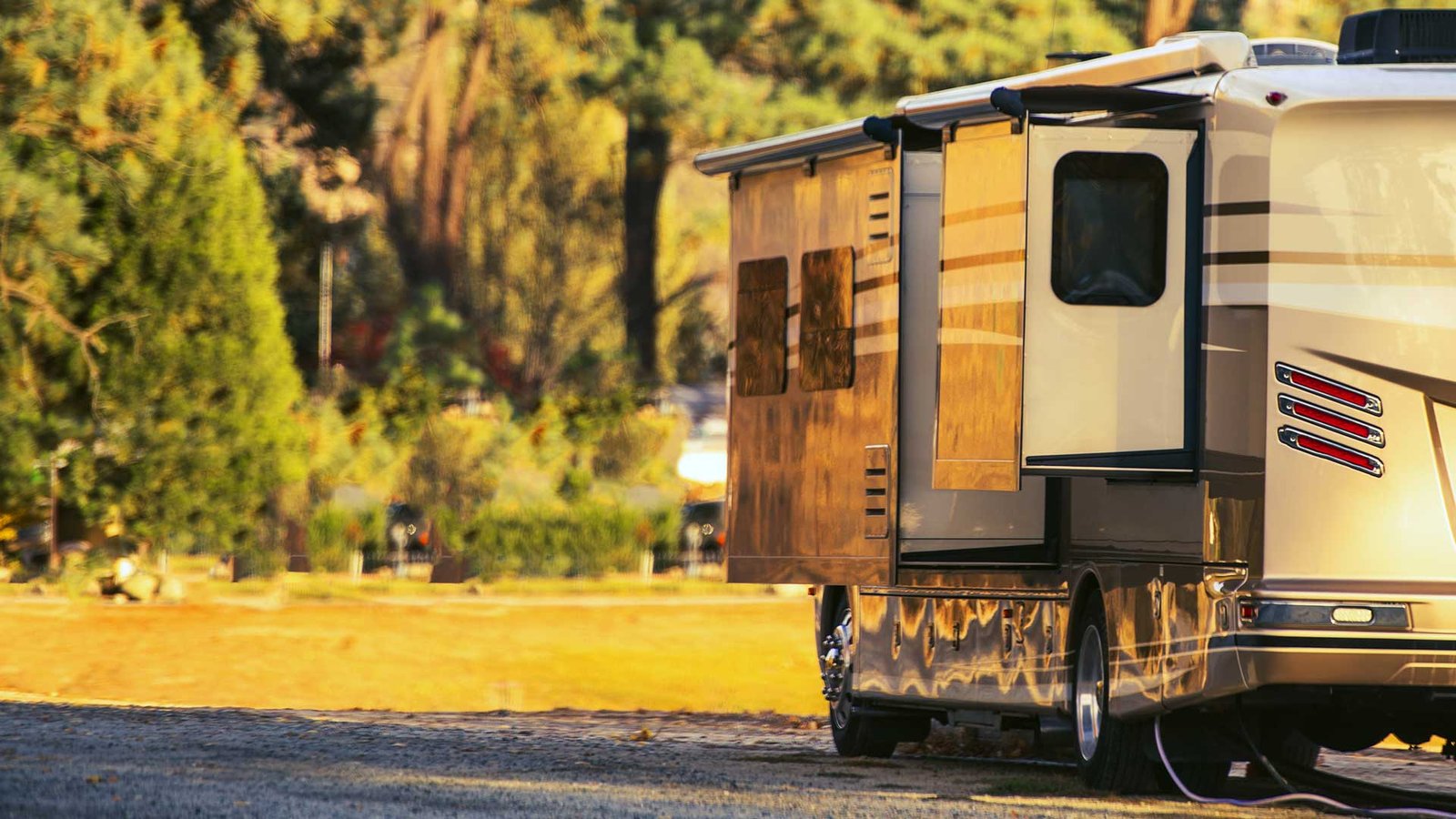
RV slide-outs are one of the features that make modern RV living comfortable. They create usable space, open up the interior, and make extended stays far more practical. But when a slide-out starts having issues, it can quickly become one of the most stressful—and expensive—problems an RV owner faces. What begins as a slow movement, a slight noise, or a minor leak can quietly develop into structural damage that affects the entire system.
The challenge with slide-outs is that they rely on multiple systems working together. When one part begins to fail, it often puts strain on the rest. That’s why understanding how these systems work, what commonly goes wrong, and how to respond early can make a significant difference in both repair costs and long-term reliability.
This guide breaks down everything you need to know about RV slide-out repair, including common problems, warning signs, repair costs, and when it’s time to bring in a professional.
How RV Slide-Outs Work (Simplified)
At a basic level, RV slide-outs are powered systems that extend and retract a portion of the RV wall to create additional living space. While the operation appears simple from the outside, the internal system is a coordinated combination of electrical, mechanical, and structural components that must stay aligned and properly maintained to function correctly.
When you activate the slide-out, an electric motor or hydraulic system drives the movement through tracks or rails. At the same time, seals compress and expand to keep the interior protected from weather, debris, and moisture. Beneath it all, the floor and frame provide structural support, carrying the weight of both the slide-out and anything inside it.
Core Components of a Slide-Out System
- Motor and power system – Drives the extension and retraction
- Tracks, rails, or gear systems – Control movement and alignment
- Seals and gaskets – Prevent water intrusion and air leaks
- Structural floor and framing – Support weight and maintain integrity
Because these systems are interconnected, a failure in one area can quickly impact others. For example, a worn seal can allow water into the floor, which can then cause structural weakening. That structural issue can lead to misalignment, which then puts strain on the motor and tracks. This chain reaction is why early detection and repair are so important.
1. Electrical Failures
Electrical problems are often the first place to look when a slide-out won’t move at all. In many cases, the issue isn’t mechanical—it’s simply that the system isn’t receiving the power it needs to operate correctly. These types of problems can appear suddenly, even if everything was working fine the last time you used the slide-out.
Common electrical issues include:
- Low or dead batteries that can’t supply enough power
- Blown fuses or tripped breakers interrupting the circuit
- Faulty wall switches or control panels
- Damaged or loose wiring connections
Before assuming a major repair is needed, it’s worth working through a proper slide-out not working troubleshooting guide to rule out these common and often simple causes.
2. Mechanical Problems (Tracks, Gears, and Motors)
When a slide-out is still moving but not smoothly, the issue is usually mechanical. These problems tend to develop gradually, often starting with subtle signs like slight hesitation or noise before becoming more noticeable.
Mechanical issues often present as:
- Uneven movement where one side leads or lags
- Grinding, clicking, or popping noises
- The slide stopping partway through operation
- Increased resistance when extending or retracting
Over time, continued use under these conditions can cause additional wear on the system, leading to more extensive damage. Addressing mechanical issues early can prevent failure of major components like motors or track systems.
3. Seal Failure and Water Intrusion
Seals are one of the most critical—and most overlooked—parts of a slide-out system. They are responsible for keeping water out, and once they begin to fail, moisture can slowly enter areas that are difficult to see or access.
Common seal-related issues include:
- Cracking or drying of rubber seals
- Gaps forming when the slide-out is closed
- Water pooling around the edges of the slide
Water intrusion is one of the leading causes of serious slide-out damage. Over time, it can lead to the need for rotted slide-out floor repair, which is far more complex and costly than replacing seals early.
4. Structural Damage (Floors and Framing)
Structural damage is typically the result of prolonged water exposure or neglected repairs. By the time it becomes visible, the issue has often been developing for a while beneath the surface.
Signs of structural damage include:
- Soft or spongy flooring underfoot
- Visible sagging or uneven surfaces
- Delamination of materials
- Difficulty sealing properly when closed
If you’re seeing these signs, it’s important to review RV slide-out floor repair: how to fix soft or rotted floors to understand what’s involved in correcting the issue.
Signs Your RV Slide-Out Needs Repair Now
Not every issue requires immediate action, but certain warning signs indicate that delaying repair could lead to significantly higher costs and more extensive damage.
Key Warning Signs
- The slide-out won’t move at all
- Movement is uneven or unusually noisy
- Water is entering the RV near the slide
- The floor feels soft or unstable
- The slide does not fully seal when closed
These symptoms often indicate that the problem has progressed beyond a minor issue. If you’re unsure how urgent your situation is, reviewing the top signs your RV slide-out needs immediate repair can help you determine your next step.
How Much Does RV Slide-Out Repair Cost?
One of the most common concerns RV owners have is the cost of repairs. The reality is that slide-out repair costs vary widely depending on the type of issue, the extent of the damage, and how long the problem has been present.
| Repair Type | Estimated Cost Range |
| Minor electrical fixes | $150 – $500 |
| Motor or track repair | $500 – $1,500 |
| Seal replacement | $200 – $800 |
| Partial floor repair | $1,500 – $3,500 |
| Full structural rebuild | $3,000 – $6,000+ |
What Impacts Cost the Most
- Extent of damage – Surface-level vs structural
- Time delay – Longer delays usually mean more spread
- Slide size and accessibility – Larger slides cost more to repair
- Underlying cause – Water damage often increases complexity
For a deeper breakdown, explore the full guide on the cost to repair RV slide-out systems.
Repair vs Replacement: What Makes Sense?
Deciding between repairing and replacing parts of a slide-out system depends on how extensive the damage is and whether the system is still structurally sound. In many cases, repairs are sufficient—but there are situations where replacement becomes the more practical option.
When Repair Is the Right Choice
- Damage is limited to a specific component
- The slide-out remains properly aligned
- Structural integrity is mostly intact
When Replacement May Be Necessary
- Damage affects multiple systems
- The slide-out is severely misaligned
- Structural components are compromised
- Repairs would exceed replacement value
A professional inspection is often the best way to determine the correct approach, especially when structural damage is involved.
DIY vs Professional RV Slide-Out Repair
Many RV owners prefer to handle maintenance themselves when possible, and in some cases, that’s a great approach. Basic upkeep can extend the life of your slide-out and prevent minor issues from developing into larger problems.
Repairs That Are Typically Safe for DIY
- Cleaning and lubricating tracks
- Inspecting and maintaining seals
- Checking battery and fuse conditions
Repairs That Should Be Left to Professionals
- Motor or gear replacement
- Structural floor repairs
- Slide-out realignment
- Water damage restoration
Attempting complex repairs without the proper tools or experience can lead to additional damage. If you’re unsure where to draw the line, reviewing DIY vs professional slide-out repair can help you make the right call.
When to Call a Mobile RV Technician
There’s a clear point where troubleshooting and basic maintenance are no longer enough. If your slide-out is stuck, uneven, leaking, or showing signs of structural damage, it’s time to bring in a professional who can properly diagnose and repair the issue.
Situations That Require Professional Help
- Slide-out will not extend or retract
- Loud or unusual mechanical noises
- Evidence of water damage or rot
- Visible sagging or misalignment
- Unclear root cause after basic troubleshooting
One of the biggest advantages of mobile RV repair is that it eliminates the need to move a potentially damaged RV. Instead of risking further damage during transport, a technician can come directly to your location and handle the repair on-site.
Acting Early Saves You Thousands
Slide-out problems rarely stay the same—they progress. A small seal failure can turn into widespread water damage. A minor alignment issue can lead to motor failure. The longer a problem is left unresolved, the more systems it tends to affect.
The Cost of Waiting
- Minor issue → spreads to structural damage
- Structural damage → requires major repair
- Major repair → significantly higher cost and downtime
The difference between a manageable repair and a major rebuild often comes down to how quickly the issue is addressed.
Get Expert RV Slide-Out Repair—Without Moving Your RV
Don’t wait for a small slide-out issue to turn into major structural damage. JBRV Mobile RV Repair comes to you and diagnoses the problem on-site—saving you time, hassle, and costly secondary damage.
Schedule your slide-out repair service today.