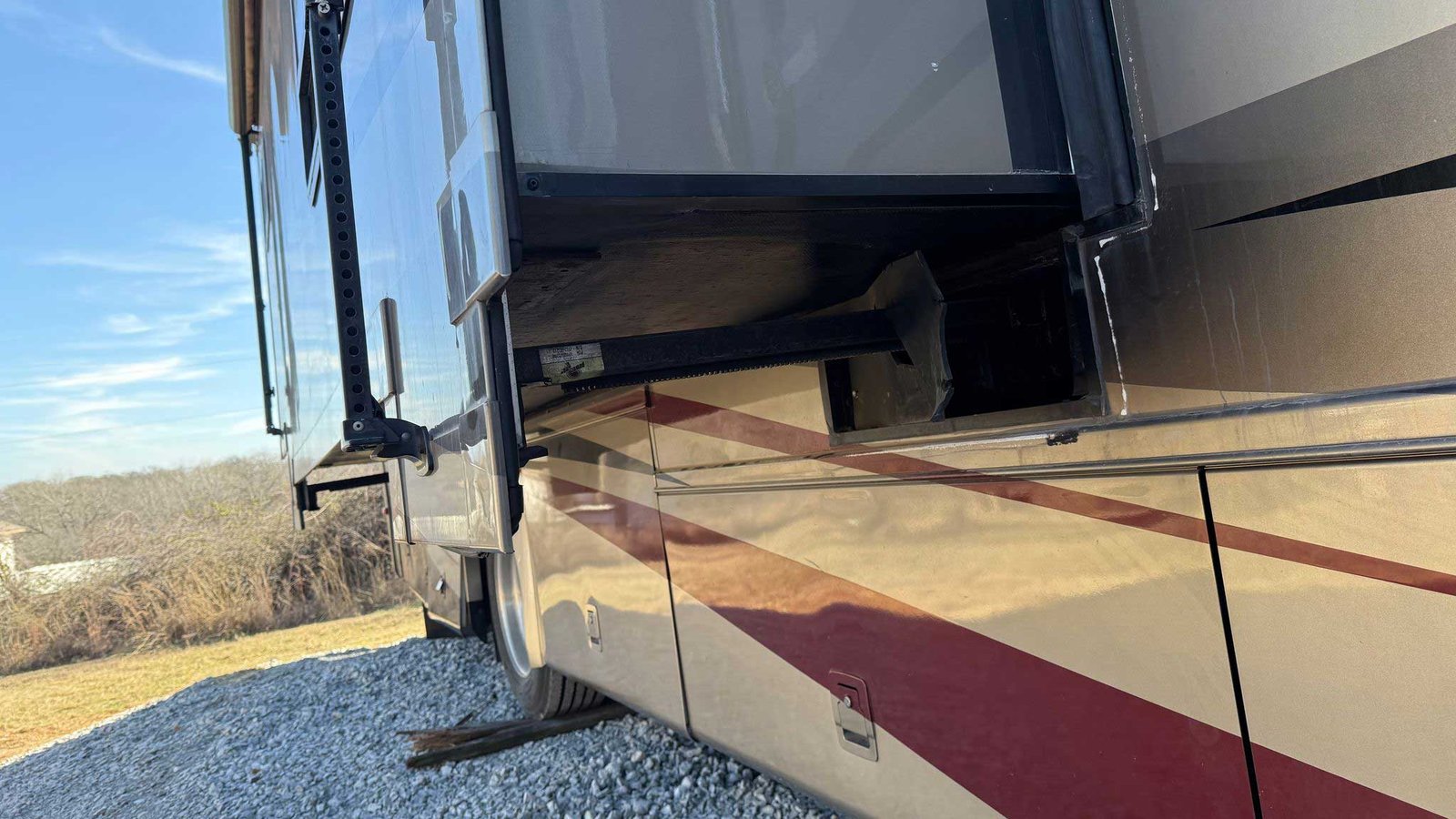
RV slide-outs are built to handle repeated use, but they aren’t immune to wear, weather, and mechanical stress. The problem is that most slide-out issues don’t fail all at once—they develop gradually. What starts as a small annoyance can quietly turn into a serious repair if it’s ignored for too long.
The key is recognizing the warning signs early. If you know what to look for, you can address issues before they spread into structural damage, costly repairs, or a slide-out that stops working entirely.
Below are the 7 most common signs your RV slide-out needs immediate repair, along with what they typically mean and why you shouldn’t wait to fix them.
Why Early Signs Matter More Than You Think
Slide-out systems are interconnected. A problem in one area—like a worn seal or slight misalignment—can affect other components over time. This is why small issues rarely stay small. Water intrusion can lead to floor damage, alignment issues can strain motors, and mechanical resistance can wear down tracks and gears.
Understanding how these signs fit into the bigger picture is critical. If you want a full breakdown of how slide-out systems fail, start with the RV Slide-Out Repair: Complete Guide to Common Problems, Costs, and Fixes.
1. The Slide-Out Is Moving Unevenly
One of the earliest signs of trouble is uneven movement. You may notice that one side of the slide-out moves faster than the other, or that it doesn’t extend and retract in a straight, consistent motion.
This usually points to an alignment issue or uneven wear in the track system. While it might still function for a while, continuing to operate the slide-out in this condition can put extra strain on the motor and lead to more serious mechanical failure.
What This Could Mean
- Track or rail misalignment
- Uneven load distribution
- Early-stage mechanical wear
If left unaddressed, this issue can escalate into motor failure or structural stress.
2. Grinding, Clicking, or Popping Noises
Your slide-out should operate relatively smoothly. If you start hearing grinding, clicking, or popping sounds, it’s a clear indication that something isn’t moving correctly inside the system.
These noises are often caused by worn gears, damaged tracks, or components that are no longer aligned properly. The longer the system operates under these conditions, the more damage it can cause.
Common Causes of Noise
- Gear teeth wearing down or slipping
- Debris caught in the track
- Misaligned components under load
If you’re hearing these sounds, it’s important to stop using the slide-out until the issue is diagnosed. Continuing to operate it can significantly increase repair costs.
3. The Slide-Out Struggles or Stops Midway
A slide-out that hesitates, slows down, or stops halfway through operation is often dealing with resistance somewhere in the system. This could be electrical, mechanical, or even structural.
Possible Causes
- Low battery voltage
- Motor strain or failure
- Obstructions in the track
- Misalignment creating resistance
Before assuming a major issue, it’s worth walking through a slide-out not working troubleshooting guide to rule out simple causes. However, if the issue persists, it’s likely more than a basic fix.
4. Water Leaks Around the Slide-Out
Water intrusion is one of the most serious issues you can face with a slide-out. Even small leaks can lead to significant damage over time, especially if they go unnoticed.
You might notice water stains, damp areas, or even a musty smell near the slide-out. These are all signs that moisture is getting into places it shouldn’t.
Where to Check for Leaks
- Along the edges of the slide-out
- Around seals and corners
- Near flooring inside the RV
Water damage is often the starting point for larger problems, including the need for rotted slide-out floor repair, which can be expensive and time-consuming.
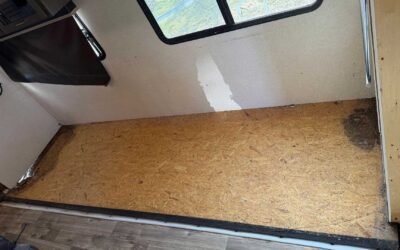
5. Soft or Spongy Flooring
If the floor of your slide-out feels soft underfoot, that’s a major red flag. This usually indicates that water has already penetrated the structure and begun breaking down the materials beneath the surface.
At this stage, the problem has moved beyond minor repair and into structural territory.
What Soft Flooring Indicates
- Water intrusion has been present for some time
- Structural materials are beginning to fail
- Damage may extend beyond what’s visible
If you notice this, it’s important to act quickly. Reviewing RV slide-out floor repair: how to fix soft or rotted floors can help you understand what comes next.
6. Gaps When the Slide-Out Is Closed
When fully retracted, your slide-out should seal tightly against the RV. If you notice gaps, uneven spacing, or areas where the seal isn’t making full contact, it’s a sign that something is off.
This could be due to worn seals, alignment issues, or structural changes in the slide-out.
Why This Matters
- Gaps allow water and air to enter
- Increased risk of long-term damage
- Reduced insulation and efficiency
Even small gaps can lead to bigger problems if left unresolved.
7. The Slide-Out Won’t Move at All
A completely non-responsive slide-out is one of the most obvious signs that something is wrong. While this can sometimes be caused by simple electrical issues, it can also indicate more serious problems.
Common Causes
- Dead battery or power failure
- Faulty switch or wiring
- Motor failure
- Mechanical obstruction
The first step is to determine whether the issue is electrical or mechanical. If you’re unsure, following a structured slide-out troubleshooting process can help narrow it down.
Quick Summary: What Each Sign Typically Means
Slide-out issues don’t resolve themselves—they escalate. A small issue with alignment or seals can lead to water intrusion. Water intrusion can lead to structural damage. Structural damage can result in full slide-out rebuilds.
| Symptom | Likely Issue Type | Urgency Level |
| Uneven movement | Mechanical/alignment | Medium |
| Grinding or clicking noise | Mechanical damage | High |
| Stops midway | Electrical/mechanical | Medium–High |
| Water leaks | Seal failure | High |
| Soft flooring | Structural damage | Critical |
| Gaps when closed | Seal/alignment | Medium–High |
| Won’t move at all | Electrical/mechanical | High |
When to Take Action
The biggest mistake RV owners make is waiting too long. Slide-out issues don’t stay the same—they progress. What could have been a minor repair often turns into a much larger problem when ignored.
Take Action Immediately If:
- You see signs of water damage
- The floor feels soft or unstable
- The slide-out is making loud mechanical noises
- The system is getting worse with each use
If you’re trying to understand how these issues impact cost, reviewing the cost to repair RV slide-out systems can provide helpful perspective.
Don’t Wait Until It Gets Worse
If you’re noticing any of these signs, don’t wait. Slide-out issues get worse fast, and early repairs are almost always more affordable and less invasive.
JBRV Mobile RV Repair can diagnose the problem on-site, identify the root cause, and fix it before it turns into a major repair.
Schedule your RV slide-out repair today and protect your RV from further damage.