
Quick Answer
Stress cracks are usually thin cracks in a boat’s outer gel coat caused by surface movement, vibration, impact, or pressure around high-stress areas. Structural cracks extend into the fiberglass laminate or develop because a supporting component is damaged or moving. While some stress cracks are cosmetic, cracks that widen, flex, spread, leak, or return after repair may indicate structural fiberglass damage that needs professional attention.
What Are Stress Cracks in a Fiberglass Boat?
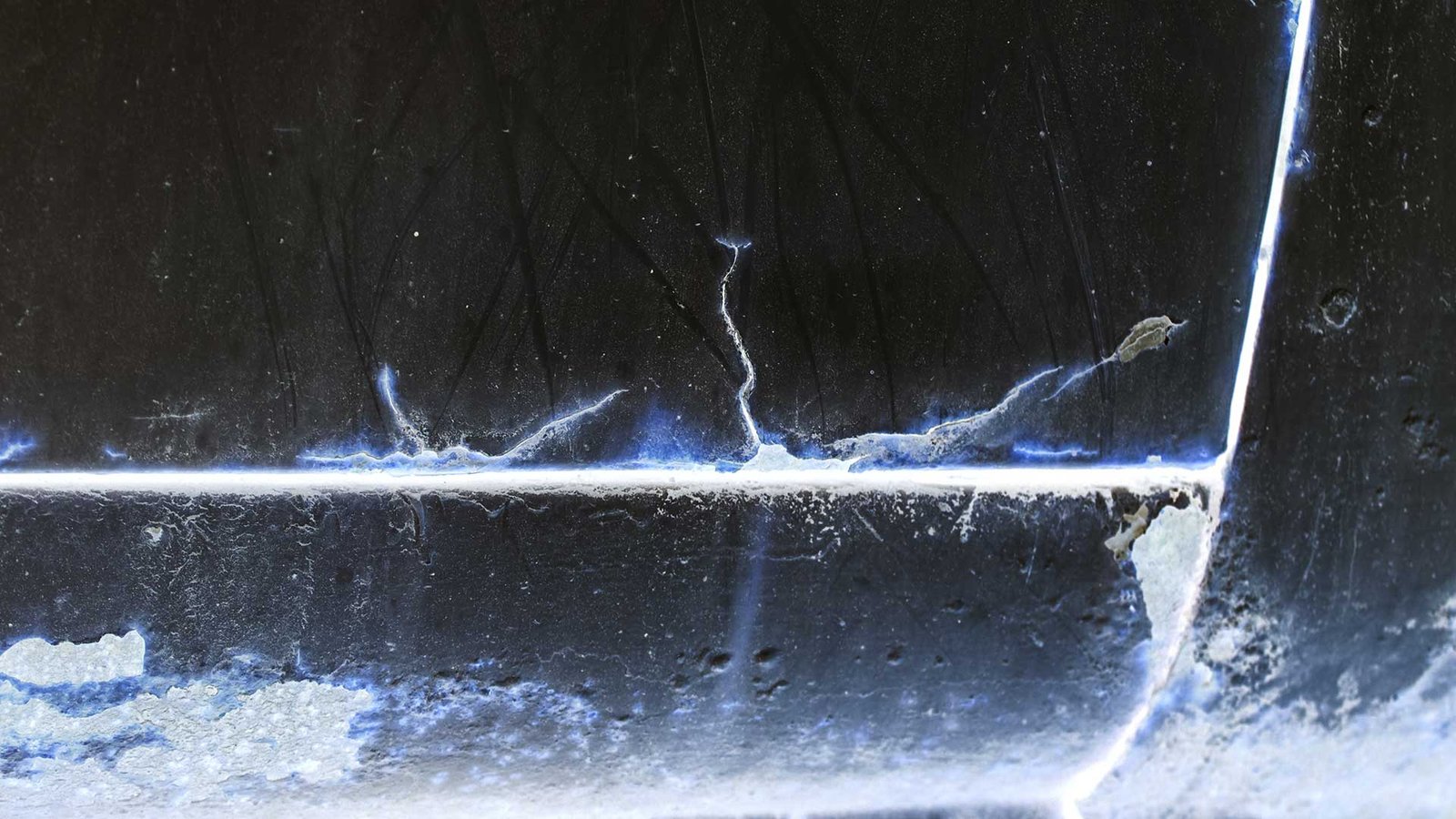
Stress cracks are narrow, hairline fractures that commonly appear in the gel coat, which is the smooth exterior finish over the boat’s fiberglass structure. They often form around corners, hatches, windshields, cleats, seat mounts, consoles, and other places where pressure is concentrated.
These cracks may appear as a single line or as a group of small cracks resembling a spiderweb. Common causes include normal hull flexing, vibration, minor impacts, overtightened hardware, improper trailer support, or uneven stress beneath the surface.
A small gel coat crack is not automatically a structural problem. However, the cause still matters. Repairing the finish without correcting movement underneath it may cause the crack to return.
What is a Structural Fiberglass Crack?
A structural crack extends beneath the gel coat and into the fiberglass laminate, core material, or supporting structure. These cracks may develop after a significant impact, prolonged water intrusion, delamination, a weakened transom, or movement in the hull, deck, floor, stringers, or bulkheads.
Structural cracks are more serious because they can reduce the strength and water resistance of the affected area. They may continue spreading as the boat is exposed to waves, engine vibration, passenger weight, trailering, and repeated loading.
JBRV’s structural and fiberglass boat repair services address cracks and damage involving hulls, decks, floors, transoms, and other structural areas.
How Can You Tell the Difference?
The crack’s appearance provides clues, but it does not always reveal how deeply the damage extends.
| Warning Sign | Likely Stress Crack | Possible Structural Crack |
| Very thin, shallow line | Common | Possible |
| Limited to the gel coat | Common | Unlikely |
| Widens or grows over time | Less common | More likely |
| Surface flexes when pressed | Unlikely | More likely |
| Exposed fiberglass is visible | No | Yes |
| Water enters through the crack | Unlikely | Possible |
| Crack returns after repair | Possible | More likely |
| Located around the transom or hull | Needs inspection | Higher concern |
Cracks deserve closer inspection when they:
- Extend below the waterline
- Feel soft or flexible around the edges
- Continue growing
- Appear after a collision
- Radiate from a motor mount
- Occur with bubbling or delamination
- Reappear after a cosmetic repair
The complete guide to boat fiberglass repair provides additional information about common damage types, repair methods, and warning signs.
How Are Boat Cracks Repaired?
A cosmetic stress crack may be repaired by opening the crack slightly, preparing the surface, filling the damaged area, and restoring the gel coat. The technician should also determine whether hardware pressure, surface flexing, or another underlying issue caused it.
A structural crack requires a more involved repair. Damaged fiberglass must be removed until solid laminate is reached. The repair area is then tapered, rebuilt with new fiberglass and resin, shaped, and refinished. Wet core material, delamination, or damaged structural components must also be corrected before the surface is closed.
Gel coat alone cannot restore strength to fractured fiberglass. Learn more about the distinction in Fiberglass Repair vs. Gel Coat Repair: What Does Your Boat Need?
When Should a Fiberglass Crack Be Inspected?
Arrange an inspection when you are uncertain how deep the crack is or why it developed. This is especially important for cracks around the transom, hull, floor, deck, motor mounts, and areas below the waterline.
Continuing to use the boat can expose the damaged area to additional water pressure and movement. Early diagnosis may help keep a localized crack from becoming a more extensive fiberglass repair.
Schedule Fiberglass Boat Repair in North Texas
Fiberglass boat cracks can range from minor gel coat defects to signs of serious structural damage. JBRV can inspect the affected area, determine how far the crack extends, and recommend the appropriate fiberglass or gel coat repair.
Contact JBRV about boat fiberglass repair before a spreading or recurring crack develops into a larger problem.
FAQs
Are hairline cracks in a fiberglass boat normal?
Small gel coat cracks are relatively common, particularly around corners and mounted hardware. However, new, spreading, or recurring cracks should be inspected to rule out movement or deeper damage.
Can stress cracks turn into structural damage?
A cosmetic crack does not necessarily become structural on its own, but the movement causing it may continue damaging the fiberglass beneath the surface. The crack can also allow moisture to enter if it penetrates the gel coat.
Can I repair a boat stress crack with filler?
Filler may improve the appearance temporarily, but it will not correct fractured fiberglass, flexing, or damaged core material. The cause and depth of the crack should be identified before repair.
Is a crack below the waterline dangerous?
A crack below the waterline should be evaluated before the boat is returned to service. Even a small opening can allow water intrusion or indicate impact damage beneath the surface.
Why did my boat crack return after being repaired?
Recurring cracks often indicate that the original repair addressed the finish but not the movement, structural weakness, or moisture underneath it. The area may need a deeper inspection and fiberglass reinforcement.